
Glaucoma Awareness Month: Everything You Need to Know About the “Silent Thief of Sight”


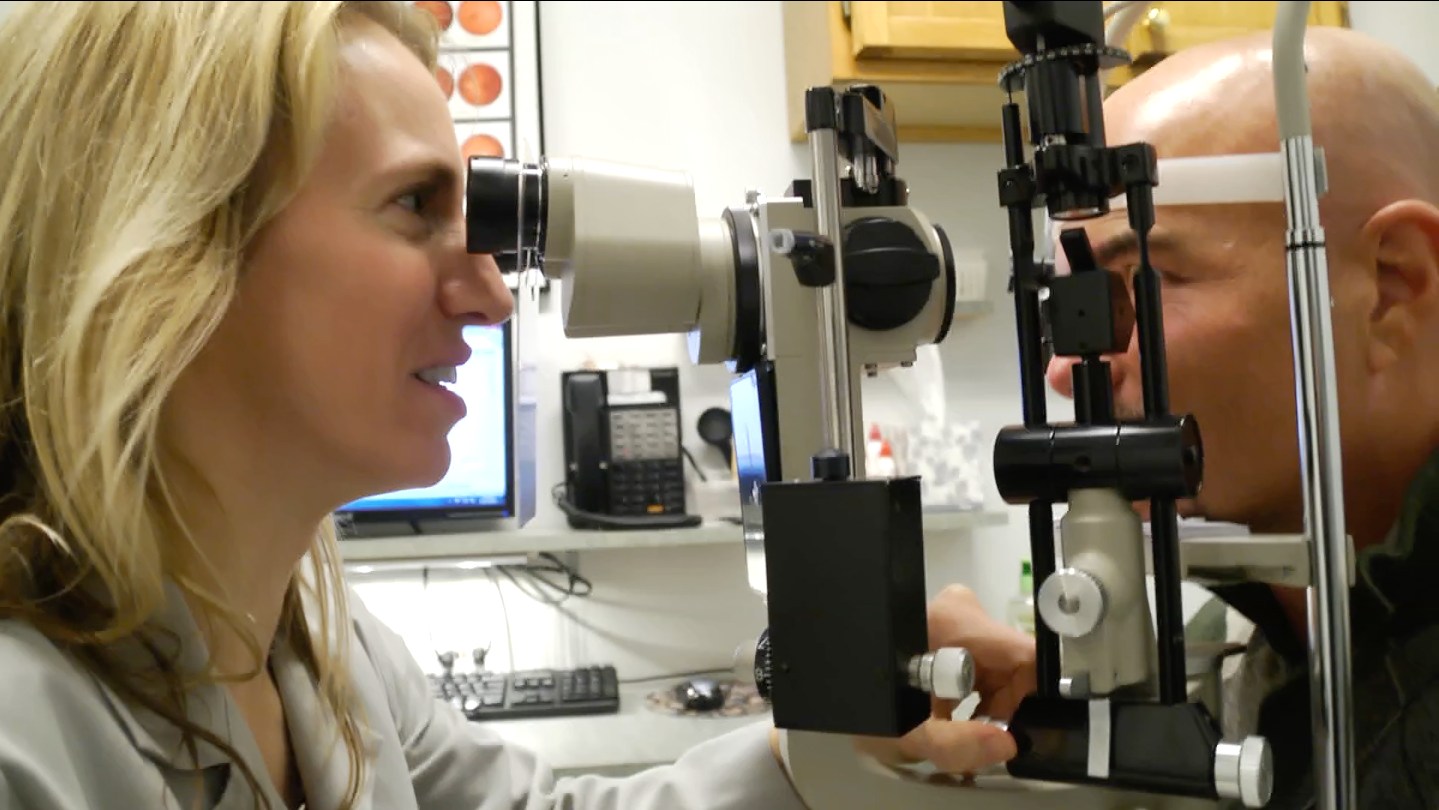
January is Glaucoma Awareness Month, a time dedicated to educating patients about one of the leading causes of irreversible vision loss worldwide. Often called the “silent thief of sight,” glaucoma can damage vision slowly and without warning—making regular eye exams essential for protecting your eyesight.
What Is Glaucoma?
Glaucoma is a group of eye diseases that damage the optic nerve, which is responsible for sending visual information from the eye to the brain. This damage is often associated with elevated eye pressure, but glaucoma can also occur even when eye pressure is within the normal range.
Without treatment, glaucoma can lead to permanent vision loss and even blindness.
Why Is Glaucoma Called the “Silent Thief of Sight”?
In its early stages, glaucoma usually causes no noticeable symptoms. Vision loss often begins in the peripheral (side) vision, which can go unnoticed until the disease is advanced.
By the time symptoms appear, significant and irreversible vision damage may have already occurred—which is why early detection is critical.
Who Is at Risk for Glaucoma?
Anyone can develop glaucoma, but certain factors increase your risk, including:
Age 40 and older
A family history of glaucoma
African American, Hispanic, or Asian heritage
Elevated eye pressure
Diabetes, high blood pressure, or heart disease
Previous eye injuries or surgeries
Long-term use of steroid medications
High nearsightedness or farsightedness
If you fall into one or more of these categories, regular comprehensive eye exams are especially important.
Are There Any Symptoms?
Most types of glaucoma have no early warning signs. As the disease progresses, symptoms may include:
Gradual loss of peripheral vision
Tunnel vision in advanced stages
In rare cases, such as acute angle-closure glaucoma, symptoms can appear suddenly and may include:
Severe eye pain or headache
Blurred vision
Halos around lights
Nausea or vomiting
This is a medical emergency and requires immediate care.
How Is Glaucoma Detected?
The only reliable way to detect glaucoma early is through a comprehensive eye exam. During your visit, your eye doctor may:
Measure eye pressure
Examine the optic nerve
Test your peripheral vision
Check corneal thickness
Evaluate drainage angles inside the eye
These tests allow glaucoma to be detected before vision loss occurs.
Can Glaucoma Be Prevented or Treated?
While glaucoma cannot be cured, it can be managed effectively if caught early. Treatment options may include:
Prescription eye drops
Oral medications
Laser procedures
Surgical treatment
The goal of treatment is to slow or stop progression and preserve remaining vision.
Protect Your Vision with Regular Eye Exams
Because glaucoma often develops without symptoms, routine eye exams are your best defense. Early detection allows for earlier treatment—and that can make all the difference in preserving your sight.
During Glaucoma Awareness Month, we encourage patients to prioritize their eye health and schedule a comprehensive eye exam, especially if they are at higher risk.
Your vision matters. Don’t let glaucoma steal it silently.
Call our office today or schedule your appointment online to stay one step ahead of glaucoma.

Keep
In Touch
Monday & Thursday
9:00 AM to 7:00 PM
Wednesday & Friday
9:00 AM to 3:00 PM
Saturday
8:30 AM to 12:00 PM
Tuesday, Sunday
Closed
© 2026 Bensenville Eye Care - All Rights Reserved - Accessibility Statement - Privacy Policy - Sitemap
Powered by 
